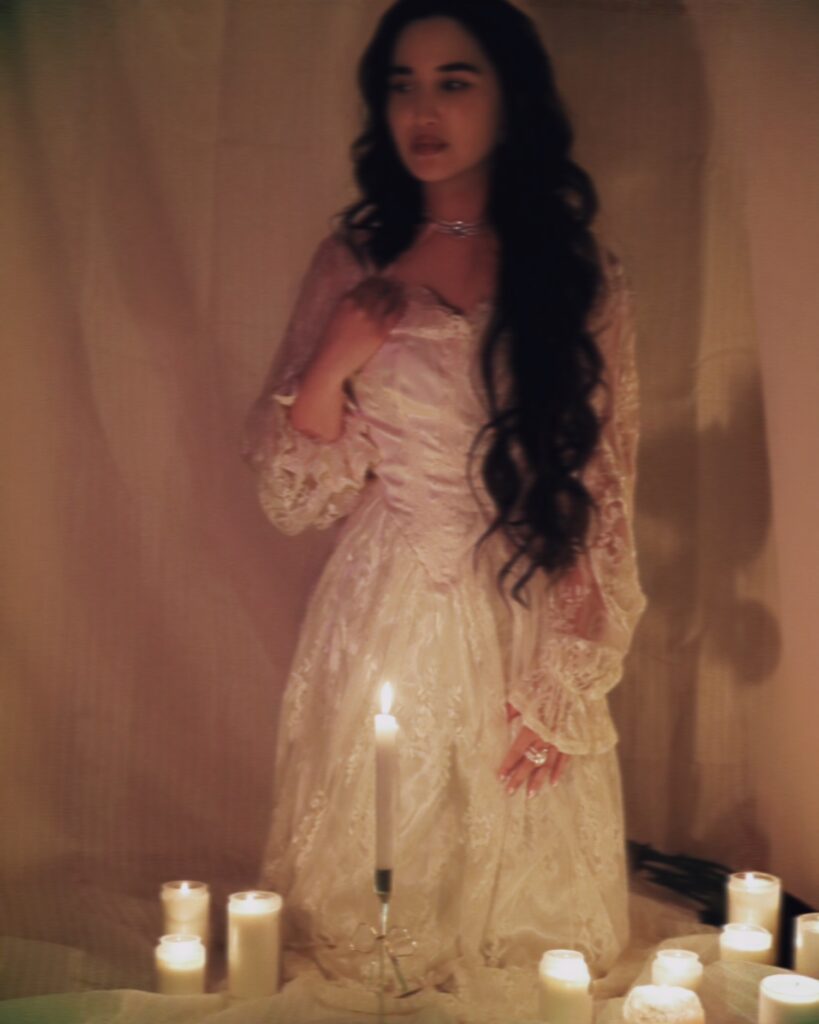
“After doing internships at psychiatric institutions, after losing loved ones to deep inner battles, and after enduring violence as a woman, I began to question the nature of suffering.
Why does pain carve such different paths in each of us? Why do some collapse beneath its weight, while others carry it quietly, even with grace? Is it strength, wiring, circumstance, or something less visible? I found no simple answers, only the quiet presence of my grandmother, who had suffered too, yet carried her pain with a certain clarity. She taught me that healing is not only about what happens to us, but about how we come to see it. And sometimes, that seeing requires help, both professional and personal.
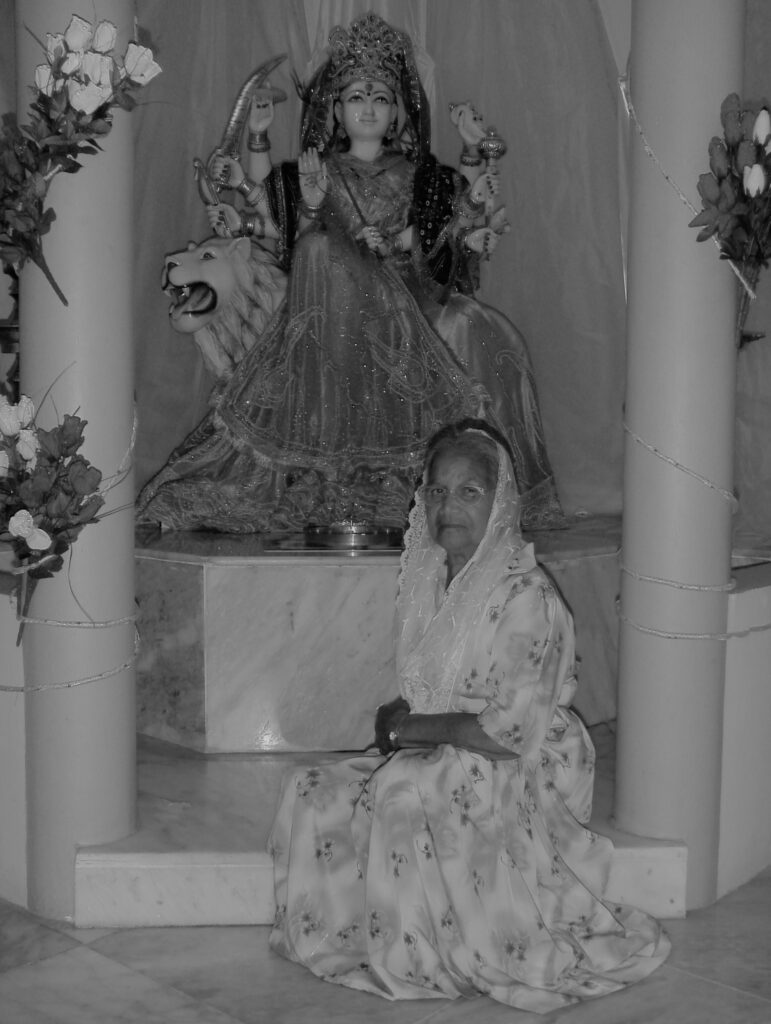
After my Nani, my grandmother, left this earthly realm, I turned to my art more than ever. Not as a cure, but as a way of offering perspective. If it could help even one person feel a little less lonely, then it had meaning.
Our stories are never ours alone. They are vessels of memory, mirrors for others, and healing tools passed hand to hand through time. That is why storytelling holds such sacred weight in the human experience. Every form of art tells a story—not just the written word, but sound, image, movement, and even silence. Art is not a substitute for care, but a companion to it. A quiet way of saying: I see you. Keep going.” —
Ramdey